Lynne Baab
resources for personal spirituality
and for congregational leaders

search this site:











A story of unusual grief
Lynne Baab • Thursday September 24 2026

Helen’s mother died two years ago. In the three or four years before her death, Helen could tell that her mother was upset with her but couldn’t figure out why. Her mother wouldn’t talk about it. After her mother’s death, Helen wanted to have an in-depth conversation with her father about it. Before she could have that conversation, her father took his life, leaving Helen with even more questions.
Helen’s father was 89 and had multiple complicated health issues. His wife of 60 years was gone. In addition, two of his three close, life-long friends had recently passed. I can see why he would choose to take his life. I imagine he didn’t want to be a burden on his family in his loneliness and with his health issues. He might even have considered taking his life as a gift to his family. Helen was devastated by the two deaths so close together. She has a hard time seeing that her dad might have viewed taking his life as way to serve his family.
Helen’s situation is an example of two forms of complicated loss and grief, disenfranchised grief and ambiguous loss. They are not the same, but have some overlaps. If you look online, you’ll see different twists to these forms of grief. I’ll take a stab at trying to explain them. Disenfranchised grief is grief that is not openly acknowledged, validated, or supported. Friends and family members gave Helen sympathy because her mother died. In Helen’s mind, the equally significant loss was her mother’s distancing herself from Helen.
Ambiguous loss usually refers to the loss of someone while they are still present, such as having a loved one with dementia. Helen lost her mother before her mother passed, so she experienced ambiguous loss for several years. Ambiguous loss can also refer to a lack of closure related to a loss. Helen feels a lack of closure about both of her parents’ deaths, her mother’s because of the estrangement, and her father’s because of the suicide. Helen also has a huge sense of failure about her father’s suicide. “I didn’t know my father was so sad. I should have known! Surely, I could have listened better! Surely I could have done something.”
How sad for Helen.
Here’s a helpful statement I found online: “While they often overlap, disenfranchised grief focuses on social permission to mourn, whereas ambiguous loss focuses on the lack of clarity or physical/psychological absence.”
Here are some examples of when disenfranchised grief may occur (from this website):
- loss of a pet
- after an extramarital affair
- after the death of a former spouse or partner
- after a miscarriage, abortion, stillbirth or neonatal birth
- after a suicide
- loss of a friend
- grief related to addiction
- after the death of a celebrity or public figure
I invite you to go back over that list a second time, using your imagination to try to identify how you think you might feel after some of those kinds of losses. Imagine what it would be like if you felt you couldn’t talk about the loss because it seems too weird or insignificant. Or if you tried to talk about one of those losses, but the listener blew it off.
The impact of disenfranchised grief and ambiguous loss is multifaceted. Some of the key emotional responses include:
- isolation
- unresolved emotions
- guilt and shame
- invisibility
- suppressed mourning
- impact on self esteem
You might wonder if anticipatory grief (grieving ahead of time) is connected to ambiguous loss or disenfranchised grief. These three grief categories have overlaps and differences. Illustrating how blurry the boundaries are between these forms of grief, one website stated that anticipatory and disenfranchised grief are two different things, and another website listed anticipatory grief as one form of disenfranchised grief. I’m on board with that second opinion, and I experienced anticipatory grief as a form of ambiguous loss, too. When we are grieving something that hasn’t happened yet, we often feel we don’t have social permission to grieve (like disenfranchised grief). When we are experiencing anticipatory grief, it feels obscure and unclear like ambiguous loss.
The forms of grief and loss I’m describing today relate to health issues and physical death, but also to sadness about a relative’s addiction or a friend’s mental illness or their slowly increasing dementia. About 15 years ago, a friend “divorced” me, and I have been thinking about the loss of that relationship as I have been writing this post. We experience so many losses that are hard to talk about or that the people around us don’t see as significant in the way we do. I love the language for these forms of grief and loss. Let me repeat, using different words.
Disenfranchised grief is a response to loss that is not recognized or validated by society, social norms, or others around us.
Ambiguous loss is an unclear loss without closure.
Anticipatory grief is the emotional reaction to an expected future loss.
I titled this blog post "A story of unusual grief." And yet, maybe disenfranchised grief and ambiguous loss are not actually unusual. I suspect many grievers keep quiet about some components of their grief because they worry about social acceptance. And perhaps many people who grieve feel lack of closure in some areas.
Creator God, you created our emotions along with everything else. We have to confess that sometimes our emotions are overwhelming, baffling, confusing, and unexpected. Holy Spirit, be our comforter. Jesus, Light of the World, shine your light into our hearts. Triune God, enfold us in your love.
֍ ֍ ֍
Next week: More about my grief journey. Illustration by Dave Baab: the Southern Alps of New Zealand.
Related posts:
- Disenfranchised grief
- Using our imagination in prayer to hand things to Jesus
- Let’s rediscover (or discover) lament
A book of Dave’s watercolors is here. You can buy cards, T-shirts, bags and other items with Dave’s watercolors on them here.
֍ ֍ ֍
Two ways to subscribe.
If you’d like to receive an email when I post on this blog, sign up below under “subscribe.” That email and the posts on this blog are free and accessible for all.
If you’d like to help me cover the expenses for this blog and website, plus get a bonus post every month, you can subscribe on Patreon for $3 or $6 per month. My bonus posts focus on one or more of the hundreds of vivid quotations I’ve collected over five decades.
Next post »« Previous post
Subscribe to updates
To receive an email alert when a new post is published, simply enter your email address below.

Lynne M. Baab, Ph.D., is an author and adjunct professor. She has written numerous books, Bible study guides, and articles for magazines and journals. Lynne is passionate about prayer and other ways to draw near to God, and her writing conveys encouragement for readers to be their authentic selves before God. She encourages experimentation and lightness in Christian spiritual practices. Read more »
Quick links:
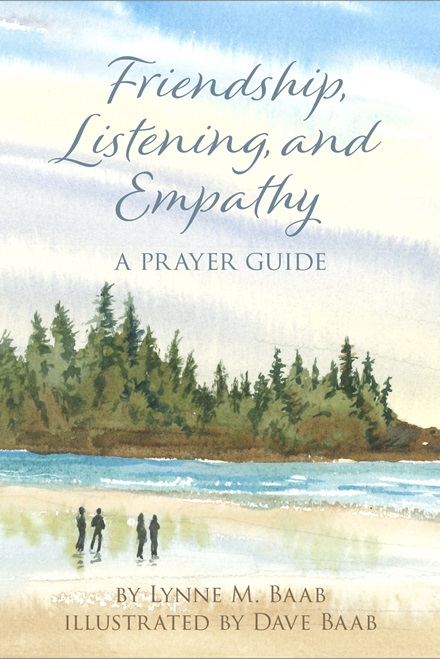
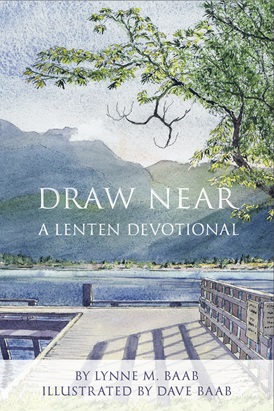
- Two latest books: Draw Near: A Lenten Devotional and Friendship, Listening and Empathy: A Prayer Guide (illustrated with Dave Baab's beautiful watercolors)
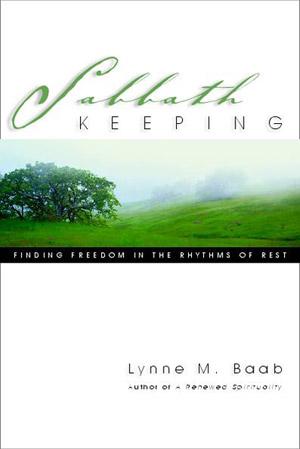
- Most popular book, Sabbath Keeping: Finding Freedom in the Rhythms of Rest (audiobook, paperback, and kindle)
- quick overview of all Lynne's books
- more than 50 articles Lynne has written for magazines on listening, Sabbath, fasting, spiritual growth, resilience for ministry, and congregational communication
You can listen to Lynne talk about these topics:
"Lynne's writing is beautiful. Her tone has such a note of hope and excitement about growth. It is gentle and affirming."
— a reader
"Dear Dr. Baab, You changed my life. It is only through God’s gift of the sabbath that I feel in my heart and soul that God loves me apart from anything I do."
— a reader of Sabbath Keeping
Subscribe
To receive an email alert when a new post is published, simply enter your email address below.
Featured posts
- Drawing Near to God with the Heart: first post of a series »
- Quotations I love: Henri Nouwen on being beloved »
- Worshipping God the Creator: the first post of a series »
- Sabbath Keeping a decade later: the first post of a series »
- Benedictine spirituality: the first post of a series »
- Celtic Christianity: the first post of a series »
- Holy Listening »
- A Cat with a Noble Character »
- Welcome to my website »
Tags
Archive
- October 2026 (1)
- September 2026 (6)
- August 2026 (4)
- July 2026 (5)
- June 2026 (5)
- May 2026 (5)
- April 2026 (3)
- March 2026 (3)
- February 2026 (2)
- January 2026 (6)
- December 2025 (6)
- November 2025 (4)
- October 2025 (3)
- September 2025 (5)
- August 2025 (4)
-
July 2025 (6)
- Praying about the flow of time: Praying about AND — again
- Praying about the flow of time: Praying for our ordinary lives
- Praying about the flow of time: Wind and water
- Praying about the flow of time: Paying attention to our stories
- What I learned from the past year's blog posts
- First post in a new series: Journey
- June 2025 (4)
- May 2025 (4)
- April 2025 (4)
- March 2025 (5)
- February 2025 (4)
- January 2025 (5)
- December 2024 (3)
-
November 2024 (5)
- Praying about the flow of time: Small actions with big benefits
- Praying about the flow of time: The overlap of the sacred and the ordinary
- Praying about the flow of time: The joy of the kingdom of God
- Praying about the flow of time: Advent can be confusing
- Praying about the flow of time: Why Jesus had to come
-
October 2024 (5)
- Praying about the flow of time: Rosh Hashanah, the Jewish New Year
- Praying about the flow of time: A month of celebrating renewal and moral responsibility
- Praying about the flow of time: The Feast of Tabernacles calls us to stay fluid and flexible
- Praying about the flow of time: Daily rhythms of prayer
- Praying about the flow of time: All Hallows Eve and All Saints Day
- September 2024 (3)
- August 2024 (5)
- July 2024 (3)
- June 2024 (5)
- May 2024 (5)
- April 2024 (4)
-
March 2024 (5)
- Friendship, loneliness, and prayer: Praying about distractions from empathy
- Friendship, loneliness, and prayer: Praying to keep empathy flowing
- Friendship, loneliness, and prayer: Everyday initiative
- Friendship, loneliness, and prayer: Praying for guidance for ending conversations
- Friendship, loneliness, and prayer: Reflecting on the series
- February 2024 (4)
- January 2024 (2)
-
December 2023 (6)
- Friendship, loneliness, and prayer: Initiating
- Friendship, loneliness, and prayer: Praying about listening roadblocks
- Friendship, loneliness, and prayer: Praying to love the poverty in our friends
- Friendship, loneliness, and prayer: Praying for “holy curiosity”
- Friendship, loneliness, and prayer: Praying for “holy listening”
- Friendship, loneliness, and prayer: Praying to give affection extravagantly
- November 2023 (4)
-
October 2023 (5)
- Friendship, loneliness and prayer: A listening skill with two purposes
- Friendship, loneliness, and prayer: Saying “thank you” to friends
- Friendship, loneliness, and prayer: One more way reflecting helps us
- Friendship, loneliness, and prayer: Lessons from two periods of loneliness
- Friendship, loneliness, and prayer: Types of reflecting, a listening skill
- September 2023 (4)
- August 2023 (4)
- July 2023 (5)
- June 2023 (3)
- May 2023 (6)
- April 2023 (4)
- March 2023 (4)
- February 2023 (4)
- January 2023 (4)
- December 2022 (5)
- November 2022 (1)
- October 2022 (5)
- September 2022 (5)
-
August 2022 (6)
- Draw near: Confessing sin without wallowing
- Draw near: A favorite prayer about peace, freedom, and much more
- Drawing near with Desmond Tutu: God’s love is the foundation for prayer
- Draw near: Worshipping God with Desmond Tutu
- Draw near: Yearning, beseeching and beholding with Desmond Tutu
- Draw near: Praising God with Desmond Tutu
- July 2022 (2)
- June 2022 (6)
- May 2022 (5)
- April 2022 (6)
- March 2022 (5)
- February 2022 (4)
- January 2022 (3)
- December 2021 (5)
- November 2021 (4)
- October 2021 (5)
- September 2021 (4)
- August 2021 (4)
- July 2021 (4)
- June 2021 (4)
- May 2021 (4)
- April 2021 (5)
- March 2021 (4)
- February 2021 (4)
- January 2021 (4)
- December 2020 (5)
- November 2020 (3)
- October 2020 (5)
- September 2020 (4)
- August 2020 (4)
- July 2020 (5)
- June 2020 (4)
-
May 2020 (4)
- Spiritual diary of sheltering in place: The lifeline of separating thoughts from feelings
- Spiritual diary of sheltering in place: The lifeline of welcoming prayer
- Spiritual diary of sheltering in place: a kite string as a lifeline
- Spiritual diary of sheltering in place: The lifeline of God’s distant future
-
April 2020 (7)
- Spiritual diary of self-isolation: the lifeline of God’s constancy
- Spiritual diary of sheltering in place: The lifeline of accepting my place as a clay jar
- Spiritual diary of sheltering in place: the lifeline of memories
- Spiritual diary of sheltering in place: the lifeline of “Good” in “Good Friday”
- Spiritual diary of sheltering in place: The lifeline of “easier does not mean easy”
- Spiritual diary of sheltering in place: The lifeline of nature
- Spiritual diary of sheltering in place: the lifeline of God’s voice through the Bible
-
March 2020 (7)
- Important anniversaries in 2020: The first Earth Day in 1970
- Important anniversaries in 2020: Florence Nightingale was born in 1820
- Spiritual diary of self-isolation: Weeks 1 and 2
- Spiritual diary of self-isolation: God's grace as a lifeline
- Spiritual diary of self-isolation: The lifeline of limits on thoughts
- Spiritual diary of self-isolation: Wrestling with God for a blessing
- Spiritual diary of self-isolation: Responding to terror by listening to Jesus voice
- February 2020 (4)
- January 2020 (5)
- December 2019 (4)
- November 2019 (4)
- October 2019 (5)
- September 2019 (4)
- August 2019 (5)
- July 2019 (4)
- June 2019 (4)
- May 2019 (5)
- April 2019 (4)
- March 2019 (4)
- February 2019 (4)
-
January 2019 (5)
- Nurturing friendships in a cellphone world: Jesus as Friend
- Nurturing friendships in a cellphone world: Friendship with Christ and friendship with others
- Nurturing friendships in a cellphone world: Who is my neighbor?
- Nurturing friendships in a cellphone world: Friendship as action
- Nurturing friendships in a cellphone world: Hymns that describe friendship with God
- December 2018 (3)
-
November 2018 (5)
- Connections between the Bible and prayer: Sensory prayer in Revelation
- First post in a new series: Nurturing friendships in a cellphone world
- Nurturing friendships in a cellphone world: Strong opinions and responses
- Nurturing friendships in a cellphone world: My conversation partners about friendship
- Nurturing friendships in a cellphone world: Two views about communication technologies
- October 2018 (4)
- September 2018 (4)
-
August 2018 (5)
- Providing Christian Care in Our Time
- Providing Christian care in our time: Seven trends in pastoral care today
- Providing Christian Care in Our Time: Skills for Pastoral Care
- Providing Christian care: The importance of spiritual practices
- First post in a new series: Connections between the Bible and prayer
- July 2018 (4)
- June 2018 (4)
- May 2018 (5)
- April 2018 (4)
- March 2018 (5)
- February 2018 (4)
- January 2018 (4)
- December 2017 (5)
- November 2017 (4)
- October 2017 (4)
- September 2017 (5)
- August 2017 (4)
- July 2017 (4)
- June 2017 (4)
-
May 2017 (5)
- My new spiritual practice: Separating thoughts from feelings
- My new spiritual practice: Feeling the feelings
- My new spiritual practice: Coping with feelings that want to dominate
- My new spiritual practice: Dealing with “demonic” thoughts
- My new spiritual practice: Is self-compassion really appropriate for Christians?
- April 2017 (4)
- March 2017 (5)
- February 2017 (4)
- January 2017 (4)
- December 2016 (5)
- November 2016 (4)
- October 2016 (4)
- September 2016 (5)
- August 2016 (4)
- July 2016 (4)
- June 2016 (4)
- May 2016 (5)
- April 2016 (4)
- March 2016 (5)
- February 2016 (4)
- January 2016 (4)
- December 2015 (4)
- November 2015 (4)
- October 2015 (5)
- September 2015 (4)
- August 2015 (4)
- July 2015 (4)
- June 2015 (4)
- May 2015 (4)
- April 2015 (6)
- March 2015 (4)
- February 2015 (4)
- January 2015 (4)
- December 2014 (5)
- November 2014 (4)
- October 2014 (4)
- September 2014 (4)
- August 2014 (5)
- July 2014 (4)
- June 2014 (7)