Lynne Baab
resources for personal spirituality
and for congregational leaders

search this site:



Imposter syndrome on the journey
Lynne Baab • Monday November 24 2025

Recently, after the Sunday morning service at church, a man I know came over to talk to me. He reminded me that his home group is reading and discussing my little book, Two Hands: Grief and Gratitude in the Christian Life. He said they had just discussed Chapter Five, which focuses on a plethora of voices in our culture and inside ourselves that deny grief and gratitude.
He said the entire evening’s discussion focused on what I had written about imposter syndrome — two sentences! Everyone in the group had stories to tell about how they felt like an imposter in various settings, and how those feelings of insecurity and incompetence had impeded them. A couple of weeks later, another member of the group talked to me about how meaningful that conversation was to her. She said she never talks about the ways she feels incompetent because she’s afraid she’ll lose respect or even opportunities to do things she enjoys.
We can experience imposter syndrome at work, at church, in the neighborhood, or with friends and family members. At work, I might feel (and maybe sound) tentative giving a presentation because the listeners are higher in the job hierarchy, or they make more money than I do. With my sister-in-law, an outstanding cook, I might feel reticent about offering to bring a dish. With my neighbor, an outstanding gardener, I might feel ashamed that I hire someone to weed and mow our garden, so I avoid talking about my favorite plants. As someone who has always struggled with my weight, I have often felt I never really look well-dressed.
The imposter syndrome can have numerous effects. We may overwork or procrastinate. We may be unable to accept praise for our accomplishments or enjoy the fruit of our labors. Anxiety and stress are too-frequent companions.
Here are the two sentences I wrote that precipitated an hour of discussion among a group of people:
“Some people, both men and women, heard things in childhood and their teen years that led them into ‘imposter syndrome,’ a deep-seated worry that they will be exposed as a fraud or incompetent. This creates a constant state of hypervigilance that makes it very difficult to be aware of current thoughts and feelings.”
People can be hypervigilant for numerous reasons, including the imposter syndrome, always wondering what people think of us, feeling responsible for the well-being of others, and a drive to succeed or win every time. I love those words I wrote, that hypervigilance “makes it very difficult to be aware of current thoughts and feelings.”
Hypervigilance is exhausting. Hypervigilance divides our attention. We can’t focus on God’s gifts, enjoy them, and give thanks, because we are focused on something else. Many times, when we are in a hypervigilant state, we can’t even begin to notice God’s gifts.
If anything in this post resonates with you, pause now and take a deep breath. Then a couple more.
If you have struggled with imposter syndrome, I’m sure you have tried various strategies. I’m sure you’ve had successes in letting go of that hypervigilant state. I hope you have had companions on the journey who have entered into your feelings and affirmed your competence.
Here are some suggestions about prayer for imposter syndrome.
Thank God for the times you have had confidence. Look back, find moments when you knew God was with you, strengthening and guiding you. Give thanks for those moments.
Thank the Holy Spirit for the times when the Spirit has given you a single focus on the things that matter most. Look back, find moments when you weren’t hypervigilant, when your attention wasn’t divided. Give thanks.
Thank Jesus for his companionship with you. Jesus is beside us as a companion, in front of us as a guide, within us through the Holy Spirit, and behind and beneath us, strengthening us and shoring us up. Give thanks for the moments when you have felt Jesus’s presence. Give thanks that Jesus is with you even when you don’t feel it.
Thank God for people who have supported and encouraged you. I am so grateful that God has placed us in communities, and we often find nurture there.
Lord, you have searched us and known us. Thank you that you are present in the moments when we feel like an imposter, even if we don’t feel you with us. Thank you that you give us moments of deep peace, when we can lay down our tendencies to be hypervigilant. In this Thanksgiving season (in the United States, but relevant for everyone!), help us remember all the ways you have met us in our feelings of insecurity and inadequacy. Guide us into deeper trust in you for our identity and confidence.
֍ ֍ ֍
Next week: Jesus our way maker on the journey. Illustration by Dave Baab: downtown Seattle and Mount Rainier from Kerry Park.
In honor of Thanksgiving in the United States and so much suffering around the world, here's the first post in my series on grief AND thankfulness. The remaining 15 posts follow along. And here three of my favorite posts on thankfulness:
- Five quotations about thankfulness
- Contrasts: Thankfulness and optimism
- The Apostle Paul’s thankfulness
֍ ֍ ֍
Two ways to subscribe.
If you’d like to receive an email when I post on this blog, sign up below under “subscribe.” That email and the posts on this blog are free and accessible for all.
If you’d like to help me cover the expenses for this blog and website, plus get a bonus post every month, you can subscribe on Patreon for $3 or $6 per month. My bonus posts focus on one or more of the hundreds of vivid quotations I’ve collected over five decades.
Next post »« Previous post
Subscribe to updates
To receive an email alert when a new post is published, simply enter your email address below.
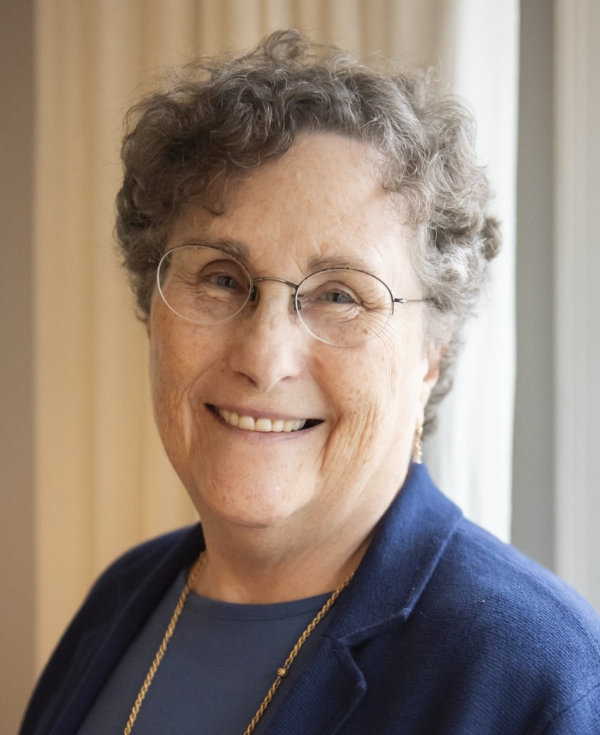
Lynne M. Baab, Ph.D., is an author and adjunct professor. She has written numerous books, Bible study guides, and articles for magazines and journals. Lynne is passionate about prayer and other ways to draw near to God, and her writing conveys encouragement for readers to be their authentic selves before God. She encourages experimentation and lightness in Christian spiritual practices. Read more »
Quick links:
- Two latest books: Draw Near: A Lenten Devotional and Friendship, Listening and Empathy: A Prayer Guide (illustrated with Dave Baab's beautiful watercolors)
- Most popular book, Sabbath Keeping: Finding Freedom in the Rhythms of Rest (audiobook, paperback, and kindle)
- quick overview of all Lynne's books
- more than 50 articles Lynne has written for magazines on listening, Sabbath, fasting, spiritual growth, resilience for ministry, and congregational communication
You can listen to Lynne talk about these topics:
"Lynne's writing is beautiful. Her tone has such a note of hope and excitement about growth. It is gentle and affirming."
— a reader
"Dear Dr. Baab, You changed my life. It is only through God’s gift of the sabbath that I feel in my heart and soul that God loves me apart from anything I do."
— a reader of Sabbath Keeping
Subscribe
To receive an email alert when a new post is published, simply enter your email address below.
Featured posts
- Drawing Near to God with the Heart: first post of a series »
- Quotations I love: Henri Nouwen on being beloved »
- Worshipping God the Creator: the first post of a series »
- Sabbath Keeping a decade later: the first post of a series »
- Benedictine spirituality: the first post of a series »
- Celtic Christianity: the first post of a series »
- Holy Listening »
- A Cat with a Noble Character »
- Welcome to my website »
Tags
Archive
- October 2026 (1)
- September 2026 (6)
- August 2026 (4)
- July 2026 (5)
- June 2026 (5)
- May 2026 (5)
- April 2026 (3)
- March 2026 (3)
- February 2026 (2)
- January 2026 (6)
- December 2025 (6)
- November 2025 (4)
- October 2025 (3)
- September 2025 (5)
- August 2025 (4)
-
July 2025 (6)
- Praying about the flow of time: Praying about AND — again
- Praying about the flow of time: Praying for our ordinary lives
- Praying about the flow of time: Wind and water
- Praying about the flow of time: Paying attention to our stories
- What I learned from the past year's blog posts
- First post in a new series: Journey
- June 2025 (4)
- May 2025 (4)
- April 2025 (4)
- March 2025 (5)
- February 2025 (4)
- January 2025 (5)
- December 2024 (3)
-
November 2024 (5)
- Praying about the flow of time: Small actions with big benefits
- Praying about the flow of time: The overlap of the sacred and the ordinary
- Praying about the flow of time: The joy of the kingdom of God
- Praying about the flow of time: Advent can be confusing
- Praying about the flow of time: Why Jesus had to come
-
October 2024 (5)
- Praying about the flow of time: Rosh Hashanah, the Jewish New Year
- Praying about the flow of time: A month of celebrating renewal and moral responsibility
- Praying about the flow of time: The Feast of Tabernacles calls us to stay fluid and flexible
- Praying about the flow of time: Daily rhythms of prayer
- Praying about the flow of time: All Hallows Eve and All Saints Day
- September 2024 (3)
- August 2024 (5)
- July 2024 (3)
- June 2024 (5)
- May 2024 (5)
- April 2024 (4)
-
March 2024 (5)
- Friendship, loneliness, and prayer: Praying about distractions from empathy
- Friendship, loneliness, and prayer: Praying to keep empathy flowing
- Friendship, loneliness, and prayer: Everyday initiative
- Friendship, loneliness, and prayer: Praying for guidance for ending conversations
- Friendship, loneliness, and prayer: Reflecting on the series
- February 2024 (4)
- January 2024 (2)
-
December 2023 (6)
- Friendship, loneliness, and prayer: Initiating
- Friendship, loneliness, and prayer: Praying about listening roadblocks
- Friendship, loneliness, and prayer: Praying to love the poverty in our friends
- Friendship, loneliness, and prayer: Praying for “holy curiosity”
- Friendship, loneliness, and prayer: Praying for “holy listening”
- Friendship, loneliness, and prayer: Praying to give affection extravagantly
- November 2023 (4)
-
October 2023 (5)
- Friendship, loneliness and prayer: A listening skill with two purposes
- Friendship, loneliness, and prayer: Saying “thank you” to friends
- Friendship, loneliness, and prayer: One more way reflecting helps us
- Friendship, loneliness, and prayer: Lessons from two periods of loneliness
- Friendship, loneliness, and prayer: Types of reflecting, a listening skill
- September 2023 (4)
- August 2023 (4)
- July 2023 (5)
- June 2023 (3)
- May 2023 (6)
- April 2023 (4)
- March 2023 (4)
- February 2023 (4)
- January 2023 (4)
- December 2022 (5)
- November 2022 (1)
- October 2022 (5)
- September 2022 (5)
-
August 2022 (6)
- Draw near: Confessing sin without wallowing
- Draw near: A favorite prayer about peace, freedom, and much more
- Drawing near with Desmond Tutu: God’s love is the foundation for prayer
- Draw near: Worshipping God with Desmond Tutu
- Draw near: Yearning, beseeching and beholding with Desmond Tutu
- Draw near: Praising God with Desmond Tutu
- July 2022 (2)
- June 2022 (6)
- May 2022 (5)
- April 2022 (6)
- March 2022 (5)
- February 2022 (4)
- January 2022 (3)
- December 2021 (5)
- November 2021 (4)
- October 2021 (5)
- September 2021 (4)
- August 2021 (4)
- July 2021 (4)
- June 2021 (4)
- May 2021 (4)
- April 2021 (5)
- March 2021 (4)
- February 2021 (4)
- January 2021 (4)
- December 2020 (5)
- November 2020 (3)
- October 2020 (5)
- September 2020 (4)
- August 2020 (4)
- July 2020 (5)
- June 2020 (4)
-
May 2020 (4)
- Spiritual diary of sheltering in place: The lifeline of separating thoughts from feelings
- Spiritual diary of sheltering in place: The lifeline of welcoming prayer
- Spiritual diary of sheltering in place: a kite string as a lifeline
- Spiritual diary of sheltering in place: The lifeline of God’s distant future
-
April 2020 (7)
- Spiritual diary of self-isolation: the lifeline of God’s constancy
- Spiritual diary of sheltering in place: The lifeline of accepting my place as a clay jar
- Spiritual diary of sheltering in place: the lifeline of memories
- Spiritual diary of sheltering in place: the lifeline of “Good” in “Good Friday”
- Spiritual diary of sheltering in place: The lifeline of “easier does not mean easy”
- Spiritual diary of sheltering in place: The lifeline of nature
- Spiritual diary of sheltering in place: the lifeline of God’s voice through the Bible
-
March 2020 (7)
- Important anniversaries in 2020: The first Earth Day in 1970
- Important anniversaries in 2020: Florence Nightingale was born in 1820
- Spiritual diary of self-isolation: Weeks 1 and 2
- Spiritual diary of self-isolation: God's grace as a lifeline
- Spiritual diary of self-isolation: The lifeline of limits on thoughts
- Spiritual diary of self-isolation: Wrestling with God for a blessing
- Spiritual diary of self-isolation: Responding to terror by listening to Jesus voice
- February 2020 (4)
- January 2020 (5)
- December 2019 (4)
- November 2019 (4)
- October 2019 (5)
- September 2019 (4)
- August 2019 (5)
- July 2019 (4)
- June 2019 (4)
- May 2019 (5)
- April 2019 (4)
- March 2019 (4)
- February 2019 (4)
-
January 2019 (5)
- Nurturing friendships in a cellphone world: Jesus as Friend
- Nurturing friendships in a cellphone world: Friendship with Christ and friendship with others
- Nurturing friendships in a cellphone world: Who is my neighbor?
- Nurturing friendships in a cellphone world: Friendship as action
- Nurturing friendships in a cellphone world: Hymns that describe friendship with God
- December 2018 (3)
-
November 2018 (5)
- Connections between the Bible and prayer: Sensory prayer in Revelation
- First post in a new series: Nurturing friendships in a cellphone world
- Nurturing friendships in a cellphone world: Strong opinions and responses
- Nurturing friendships in a cellphone world: My conversation partners about friendship
- Nurturing friendships in a cellphone world: Two views about communication technologies
- October 2018 (4)
- September 2018 (4)
-
August 2018 (5)
- Providing Christian Care in Our Time
- Providing Christian care in our time: Seven trends in pastoral care today
- Providing Christian Care in Our Time: Skills for Pastoral Care
- Providing Christian care: The importance of spiritual practices
- First post in a new series: Connections between the Bible and prayer
- July 2018 (4)
- June 2018 (4)
- May 2018 (5)
- April 2018 (4)
- March 2018 (5)
- February 2018 (4)
- January 2018 (4)
- December 2017 (5)
- November 2017 (4)
- October 2017 (4)
- September 2017 (5)
- August 2017 (4)
- July 2017 (4)
- June 2017 (4)
-
May 2017 (5)
- My new spiritual practice: Separating thoughts from feelings
- My new spiritual practice: Feeling the feelings
- My new spiritual practice: Coping with feelings that want to dominate
- My new spiritual practice: Dealing with “demonic” thoughts
- My new spiritual practice: Is self-compassion really appropriate for Christians?
- April 2017 (4)
- March 2017 (5)
- February 2017 (4)
- January 2017 (4)
- December 2016 (5)
- November 2016 (4)
- October 2016 (4)
- September 2016 (5)
- August 2016 (4)
- July 2016 (4)
- June 2016 (4)
- May 2016 (5)
- April 2016 (4)
- March 2016 (5)
- February 2016 (4)
- January 2016 (4)
- December 2015 (4)
- November 2015 (4)
- October 2015 (5)
- September 2015 (4)
- August 2015 (4)
- July 2015 (4)
- June 2015 (4)
- May 2015 (4)
- April 2015 (6)
- March 2015 (4)
- February 2015 (4)
- January 2015 (4)
- December 2014 (5)
- November 2014 (4)
- October 2014 (4)
- September 2014 (4)
- August 2014 (5)
- July 2014 (4)
- June 2014 (7)